
How to Plan a Wedding Day Around Great Light | Wedding Photography Guide
If you’re wondering how to plan a wedding day around great light, you’re already making one of the best decisions for your wedding photography. Light has a greater influence on your photographs than almost any location, decoration, or detail. Even the most beautiful venue can look ordinary in harsh midday sunlight, while a simple scene can become extraordinary during golden hour.
When planning a wedding day timeline, many couples focus on logistics first and photography second. The reality is that a timeline built around natural light often leads to more elegant, emotional, and timeless images. Whether you’re planning a destination wedding in France, a countryside celebration, or a luxury city wedding, understanding how light changes throughout the day can make a remarkable difference.
In this guide, you’ll discover the best time for wedding portraits, how to schedule your ceremony for beautiful photographs, and practical ways to create a wedding timeline that maximizes every lighting opportunity.
Why Light Matters More Than Your Venue
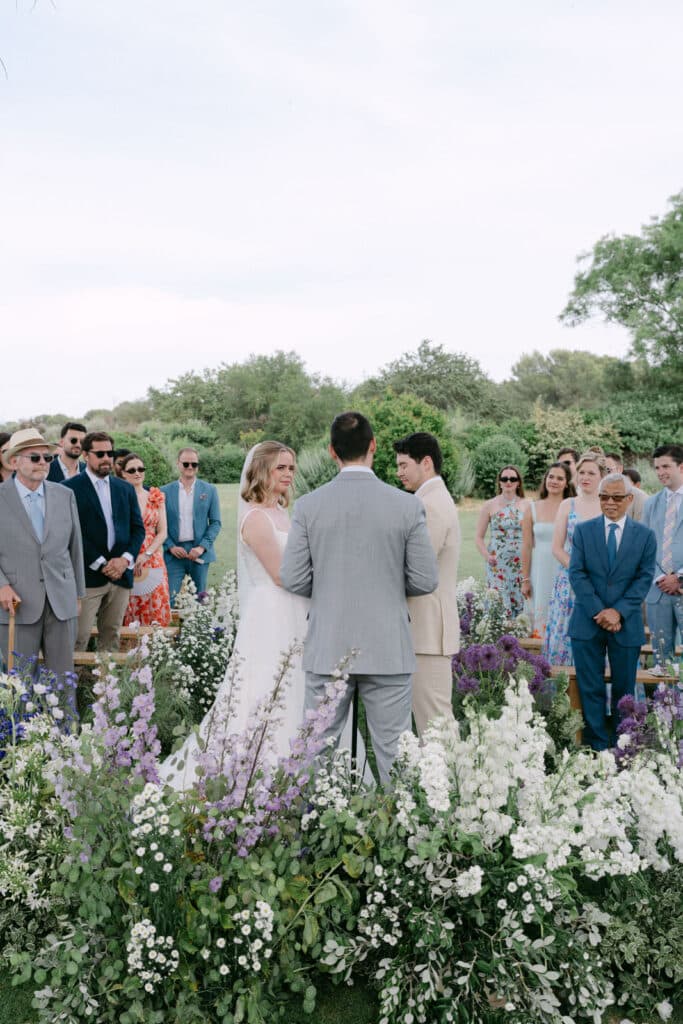
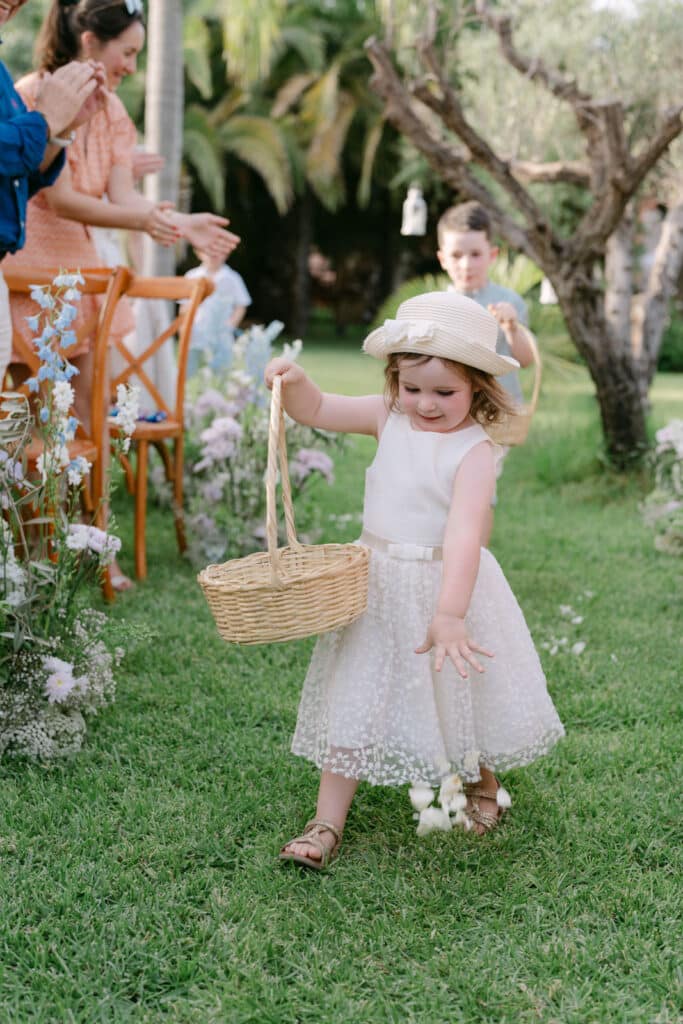
Many couples spend months choosing the perfect venue, yet few realize that light is what truly brings a photograph to life. Professional photographers pay close attention to the quality, direction, and softness of light because these elements shape mood, skin tones, and overall image quality.
Soft natural light creates flattering portraits, realistic colors, and a refined atmosphere. Harsh overhead sunlight can produce strong shadows under the eyes, bright highlights on the skin, and less flattering portraits.
This is why experienced wedding photographers often suggest adjusting the timeline by 30 to 60 minutes rather than changing locations entirely. A beautiful garden photographed in soft evening light will almost always look more luxurious than the same garden photographed at noon.
When planning your wedding day timeline, think about light as an essential part of the experience rather than a photography detail.
Understanding the Best Light During a Wedding Day
Natural light changes continuously throughout the day. Each period offers different photographic opportunities.
Morning Light
Morning light tends to be soft, fresh, and clean. It works particularly well for getting-ready photographs, bridal portraits, and intimate moments before the celebrations begin.
Midday Light
Between late morning and mid-afternoon, sunlight is usually strongest. While beautiful images are still possible, photographers often look for shaded areas, indoor locations, or architectural features that soften the light.
Late Afternoon Light
This period generally offers a balance between brightness and softness. It can be ideal for outdoor ceremonies and family portraits.
Golden Hour
Golden hour occurs shortly before sunset. The light becomes warmer, softer, and more directional, creating the glowing portraits often associated with luxury wedding photography.
For many couples, this is the most beautiful time of the day for wedding portraits.
The Ideal Ceremony Time for Beautiful Wedding Photos
One of the most important decisions in wedding planning is selecting the ceremony time.
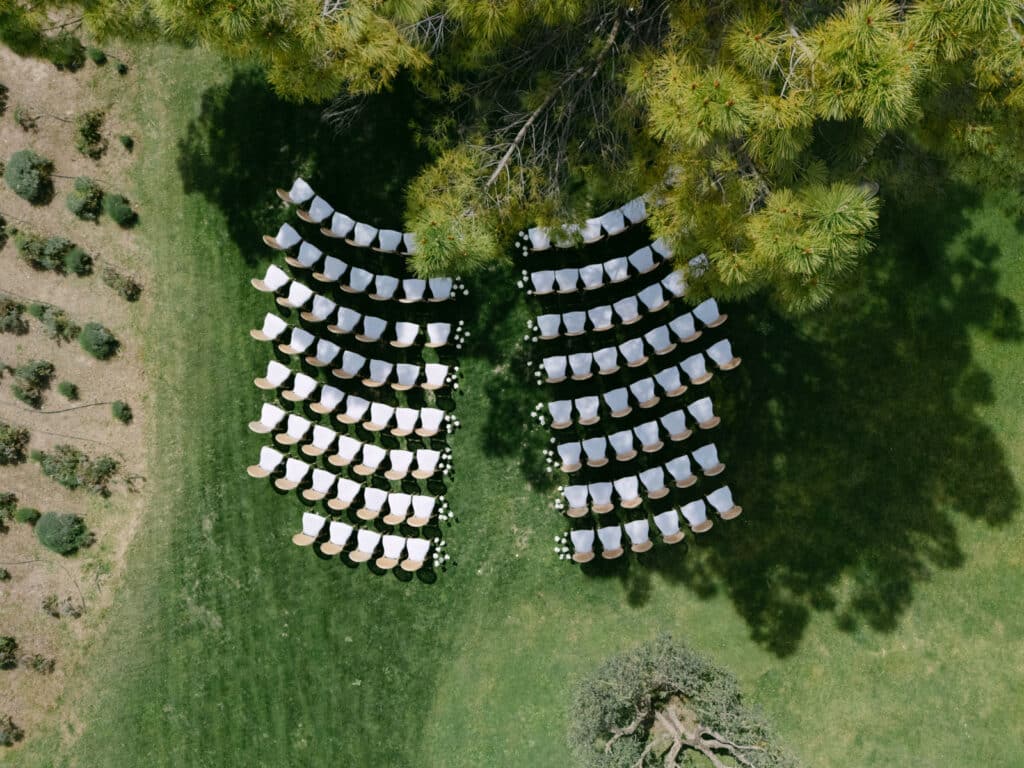
For outdoor weddings, scheduling the ceremony too early can mean guests and couples spend the entire event in harsh sunlight. A later ceremony often results in softer, more flattering light.
As a general guideline:
- Spring weddings: ceremony around 4:00 PM to 5:00 PM
- Summer weddings: ceremony around 5:00 PM to 6:30 PM
- Autumn weddings: ceremony around 3:30 PM to 5:00 PM
The exact timing depends on your location and season, but the goal remains the same: allow enough time after the ceremony for portraits in softer afternoon or golden-hour light.
Working with your wedding photographer during the planning stage can help create the ideal schedule.
How to Use Golden Hour for Wedding Portraits
Golden hour is often the highlight of the wedding day for photographers and couples alike. The warm tones, long shadows, and soft atmosphere create photographs that feel natural and romantic.
The best approach is to reserve 15 to 20 minutes during cocktail hour or just before dinner for a short portrait session. Couples are frequently surprised by how little time is needed to create some of their favorite images of the day.
Because guests are usually enjoying drinks, conversation, and the reception atmosphere, stepping away briefly rarely interrupts the flow of the celebration.
A short golden-hour session often delivers some of the most iconic images from the entire wedding gallery.
Sample Wedding Timeline Built Around Great Light
Here is a simple example of a wedding day timeline designed for beautiful natural light:
Summer Wedding Example
12:00 PM – Getting ready photographs
2:00 PM – First look and couple portraits
3:00 PM – Family photographs
5:30 PM – Ceremony
6:15 PM – Cocktail hour
8:15 PM – Golden hour portraits
8:45 PM – Dinner reception
10:30 PM – Evening celebrations
Every wedding is unique, but this structure allows for natural transitions while making the most of the day’s most flattering light.
Final Thoughts
Planning a wedding day around great light is one of the simplest ways to elevate your wedding photography. By considering ceremony timing, portrait sessions, and golden hour opportunities, you can create images that feel timeless, elegant, and authentic.
The best wedding photographs are not simply about beautiful locations. They are about beautiful moments captured in beautiful light. When your timeline is designed with that in mind, every part of the day benefits, from the first preparations to the final portraits at sunset.
For couples planning a destination wedding in France or anywhere in Europe, building a timeline around natural light can make a remarkable difference in the final gallery and help create photographs that will remain meaningful for generations.