
Planning your wedding photography involves much more than choosing a photographer whose images you love. The venue, ceremony time, light, timeline, and overall atmosphere of the day can all shape the way your photographs look and feel. In this guide, I’m sharing practical wedding photography advice for couples who want beautiful, natural images without losing sight of the experience itself.
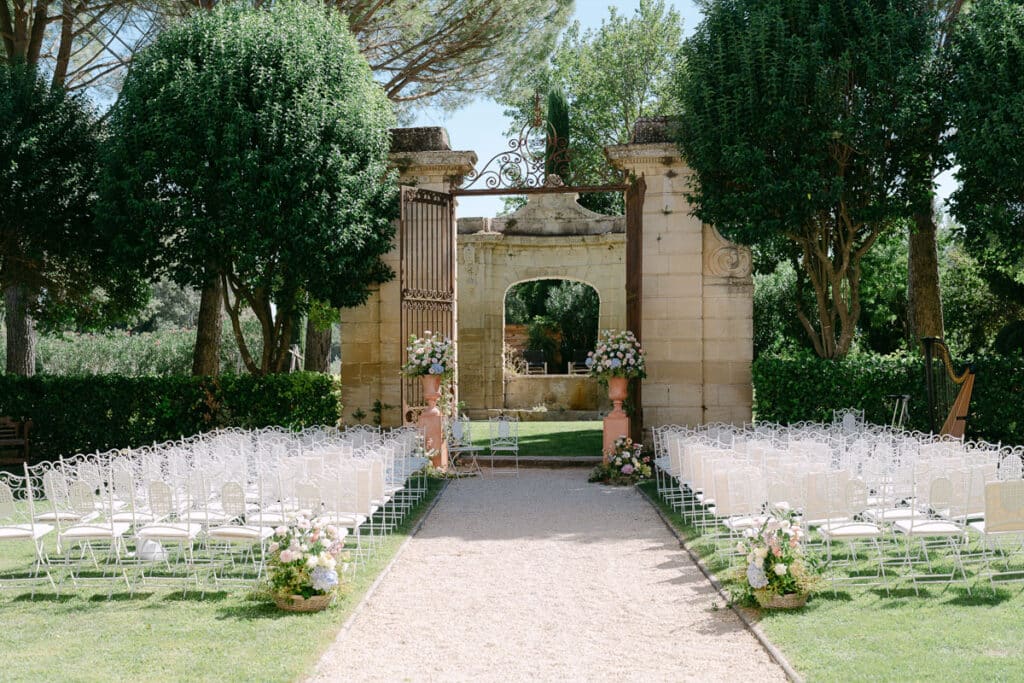
Wedding Photography Advice: How to Get Natural, Timeless and Meaningful Wedding Photos
Wedding Photography Advice
When couples inquire with me, they often assume the quality of their wedding photographs depends mostly on the photographer. The truth is a little different. A great photographer matters, of course. But some of the strongest wedding galleries I’ve ever delivered were not necessarily photographed at the most expensive venues or during the biggest celebrations.
They were the weddings where everything around the photography worked well : the timeline felt realistic, the couple felt relaxed, guests were enjoying themselves, the light was beautiful and nobody felt rushed.
After years of photographing weddings throughout France, I’ve noticed the same patterns appearing again and again. These are the practical things that genuinely make a difference. Not for Pinterest. Not for Instagram. But for the photographs you’ll still care about twenty years from now.
Quick Answer
If you only remember five things, remember these:
- Prioritize experience over perfection.
- Give yourself more time than you think you need.
- Plan your day around good light.
- Stay present with your guests.
- Choose a photographer whose work still feels beautiful five years from now.
Everything else is secondary.
Great Wedding Photography Starts Before the Wedding Day
One of the biggest misconceptions is that photography starts when the photographer arrives. In reality, the foundations are built months earlier : the venue you choose, the season, the timeline, the size of the guest list, the planner you hire…
All of these decisions influence the final photographs. A beautiful gallery isn’t created by luck. It’s often the result of hundreds of small decisions made long before the wedding day.
Choose a Venue for the Experience, Not Just the Photos
This might sound surprising coming from a photographer. But I don’t think couples should choose a venue purely because it looks impressive online. A venue that works beautifully in photographs but feels stressful for guests is rarely worth it.
I’ve photographed weddings in spectacular locations where everyone spent the day rushing between spaces. I’ve also photographed weddings in relatively simple venues where everyone felt relaxed and genuinely present. The second type almost always produces stronger photographs. Because people feel different. And that shows in the images.
The Best Light Is Often Earlier or Later Than You Think
Light is one of the most important ingredients in photography. Yet it’s often overlooked during wedding planning.
My favorite light usually happens:
- Shortly after sunrise
- During the last two hours before sunset
- During blue hour (just after sunset)
Midday sunlight can be harsh. Especially during summer in Provence and the South of France. One small timeline adjustment can completely transform your photographs.
Whenever possible, I encourage couples to schedule portraits during the softer light at the beginning or end of the day. The difference is often dramatic.
Give Yourself More Time Than You Think You Need
One of the most common timeline mistakes? Trying to fit too much into too little time. Almost every wedding runs slightly behind schedule. That’s normal. What creates stress is having no margin for error.
I often recommend adding:
- 15 extra minutes during preparations
- 15 extra minutes before the ceremony
- 10 minutes between key events
These small buffers protect the atmosphere of the day. And calm people photograph beautifully.
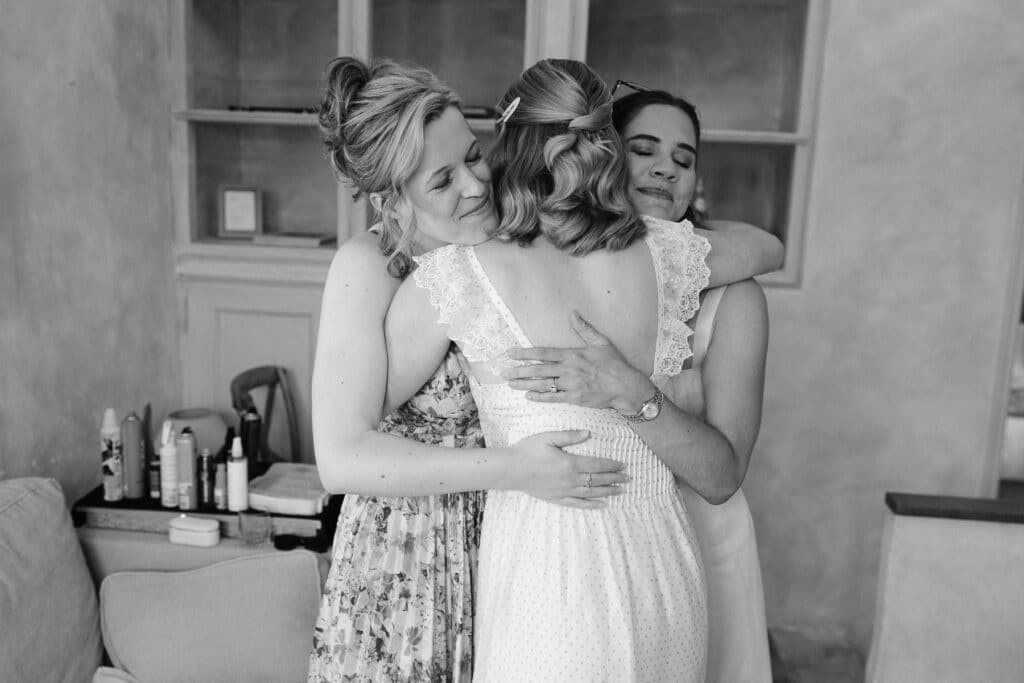
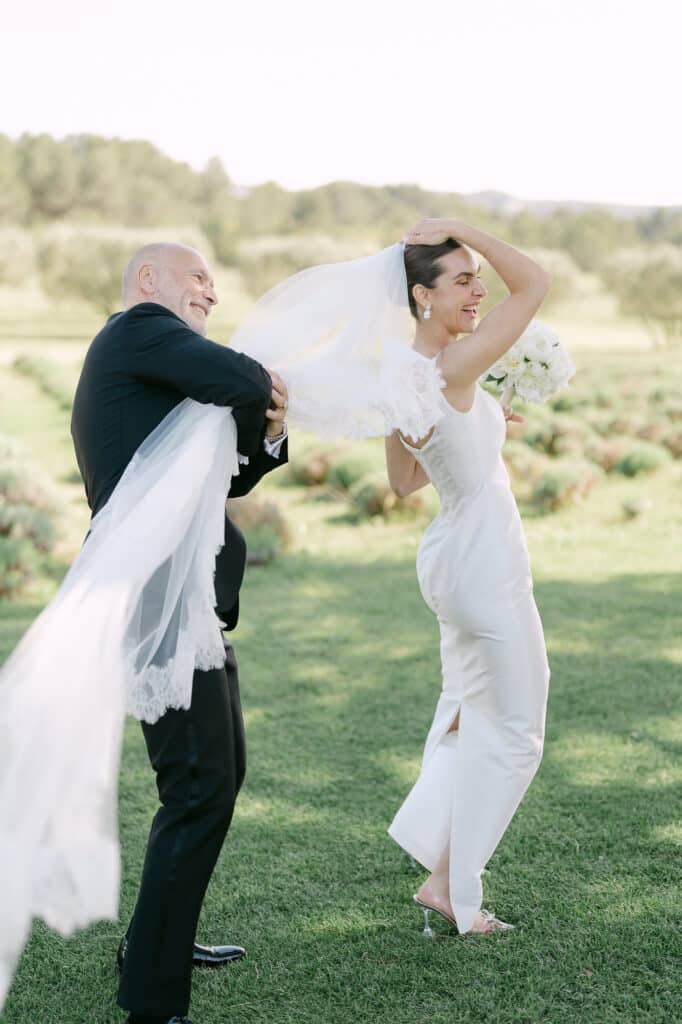
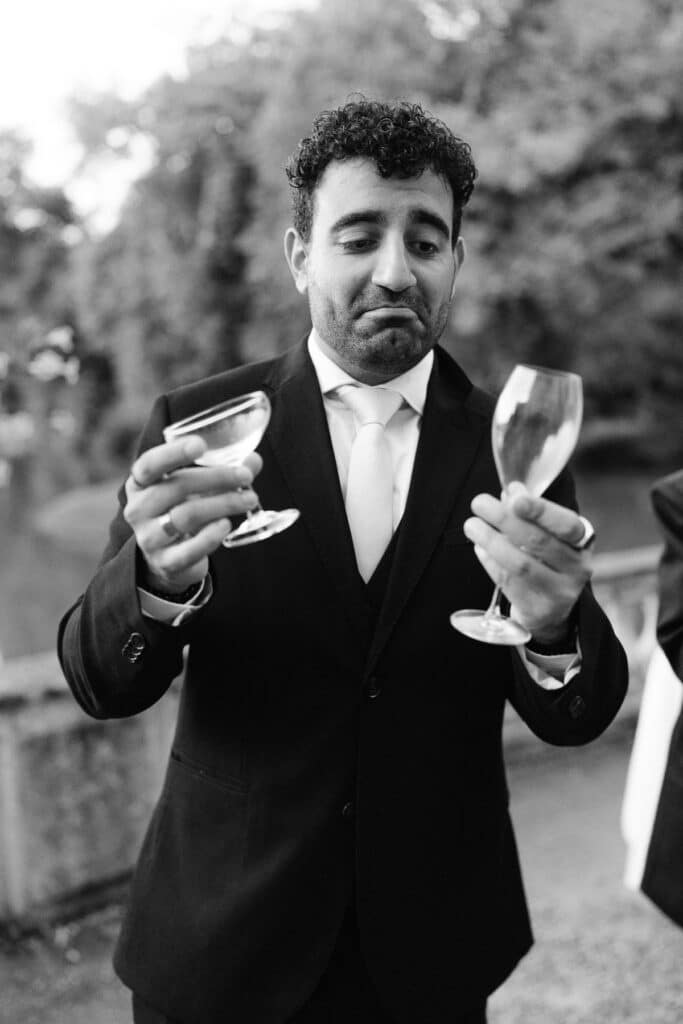
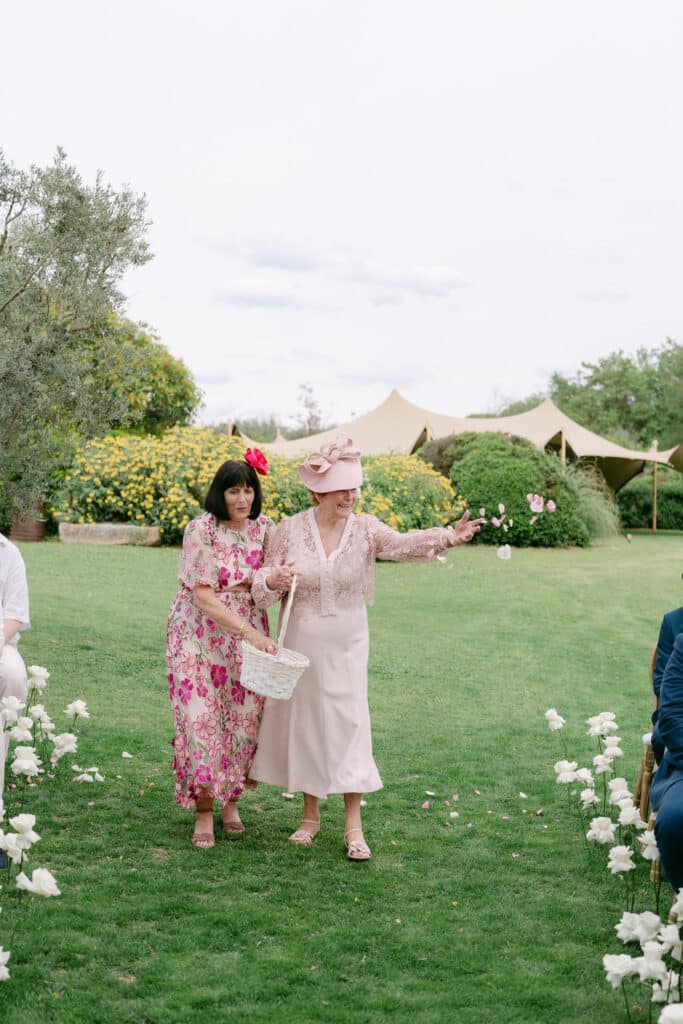
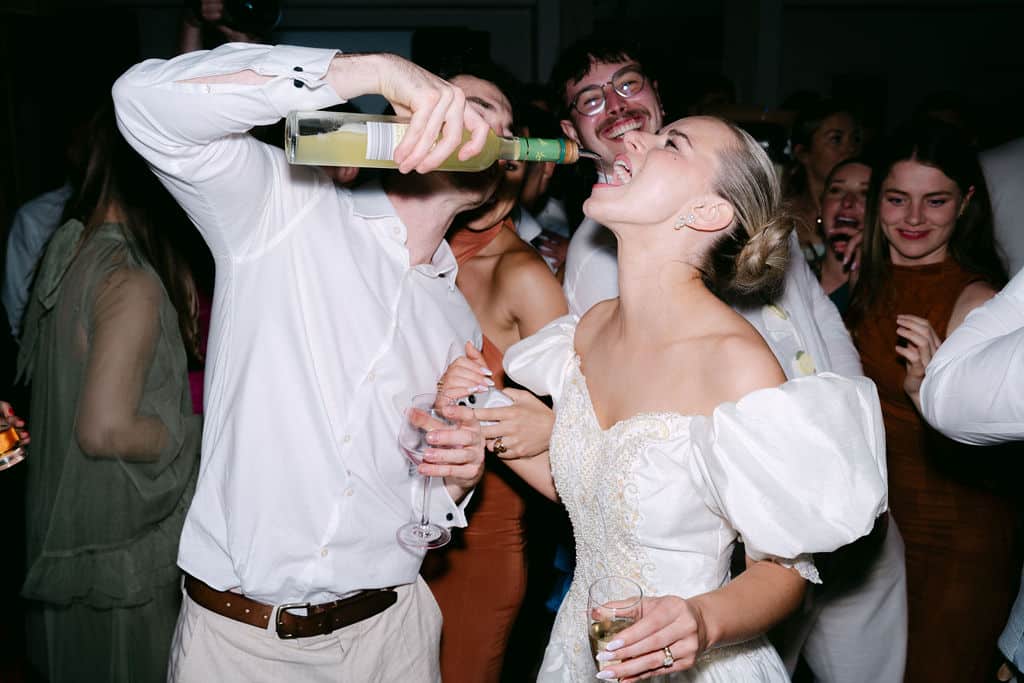
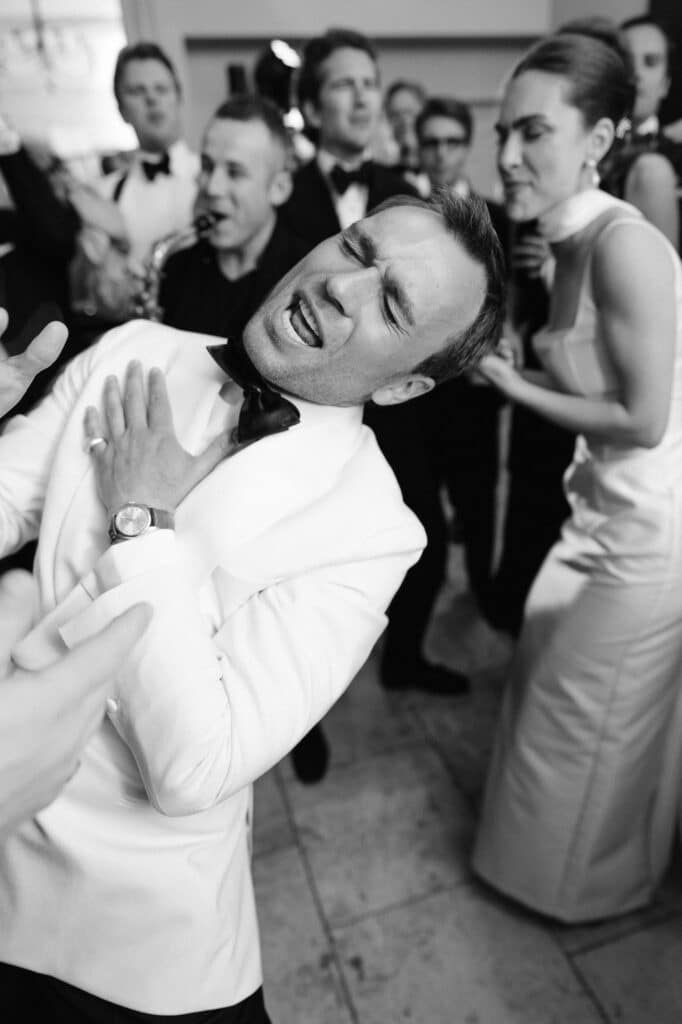
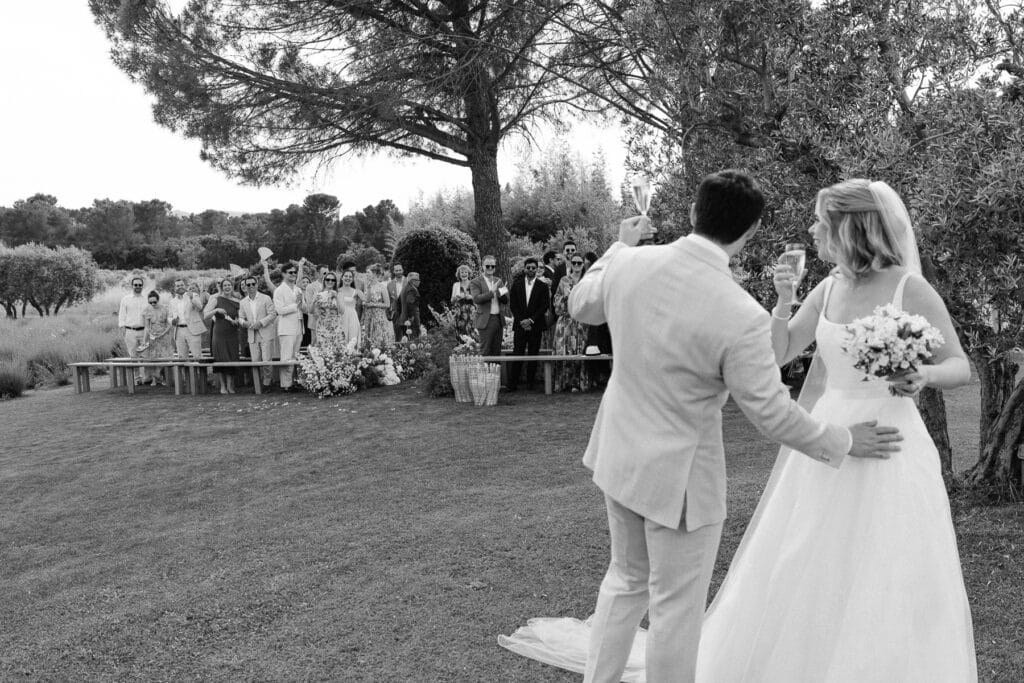
The Best Photos Usually Happen Between the Planned Moments
If you asked me to choose my favorite images from a wedding gallery, they probably wouldn’t be the ones most couples expect.
It might be:
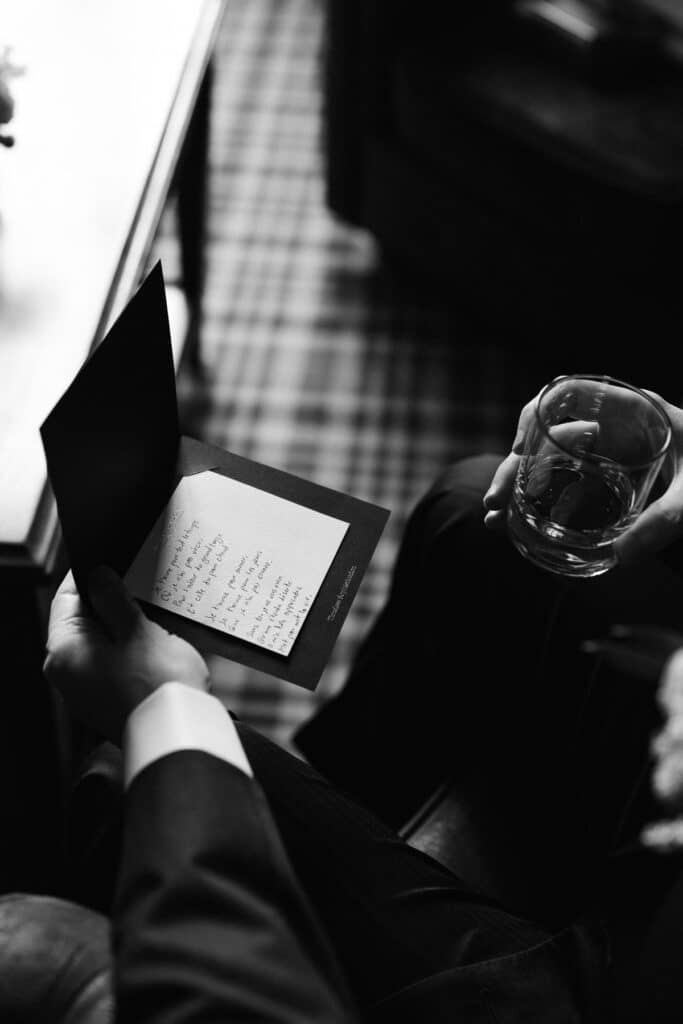
- A father standing quietly before the ceremony.
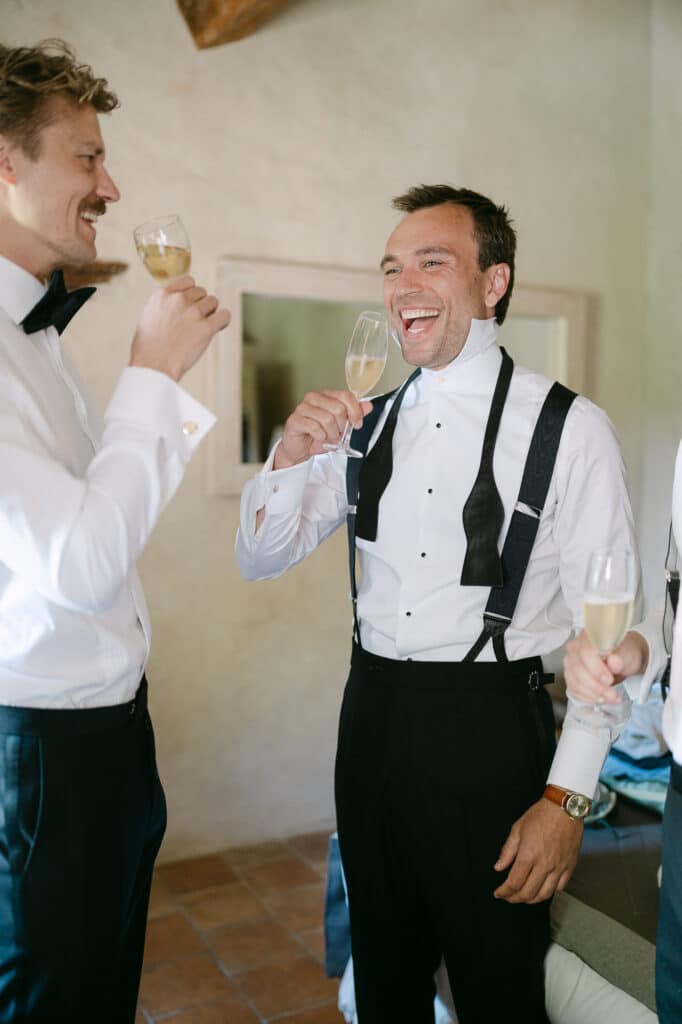
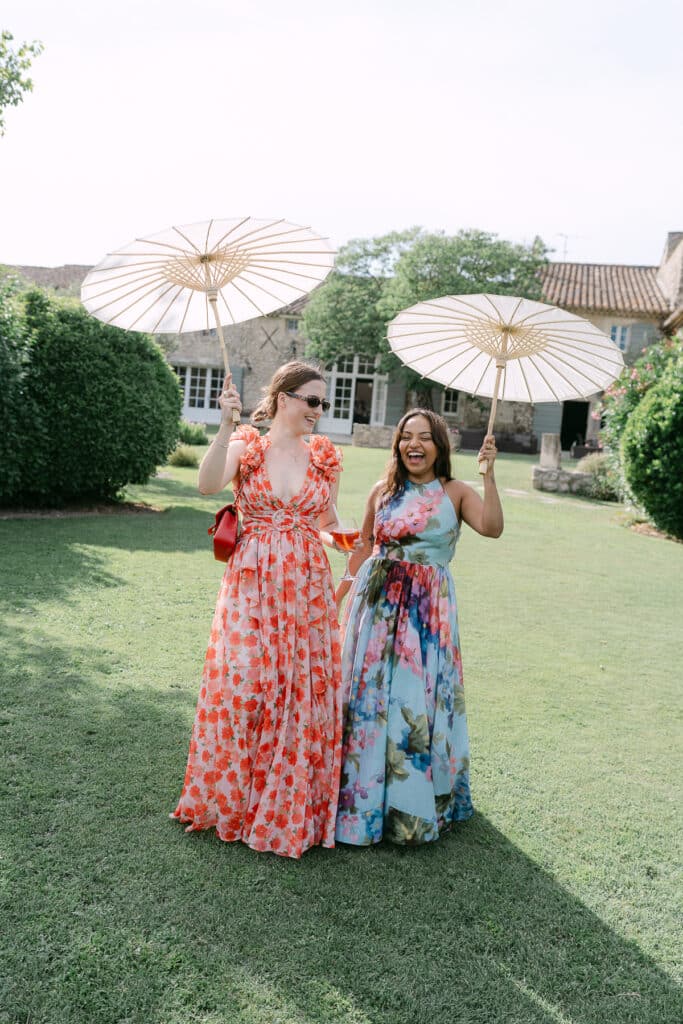
- Two friends laughing during cocktail hour.
- A grandmother watching the dance floor.
- Guests talking late into the evening.
These moments are impossible to stage. They’re also often the photographs that gain emotional value over time. The planned moments matter. But the space between them matters just as much.
Don’t Turn Your Wedding Into a Photo-shoot
This is probably the advice I give most often. Your wedding is not a content creation day. It’s a wedding.
The strongest galleries happen when couples experience the day rather than constantly stepping away from it. Of course we’ll create beautiful portraits. Of course we’ll make time for family photographs. But I never want photography to dominate the celebration. The goal is to preserve the day. Not interrupt it.
A Personal Observation About Luxury Weddings
After photographing weddings for years, I’ve realized something slightly unexpected. Luxury does not necessarily create better photographs. Ease does.
What they had in common was:
- A relaxed timeline.
- Beautiful natural light.
- Couples who trusted their vendors.
- Guests who felt comfortable.
- Plenty of time together.
Those ingredients consistently produce meaningful photographs.
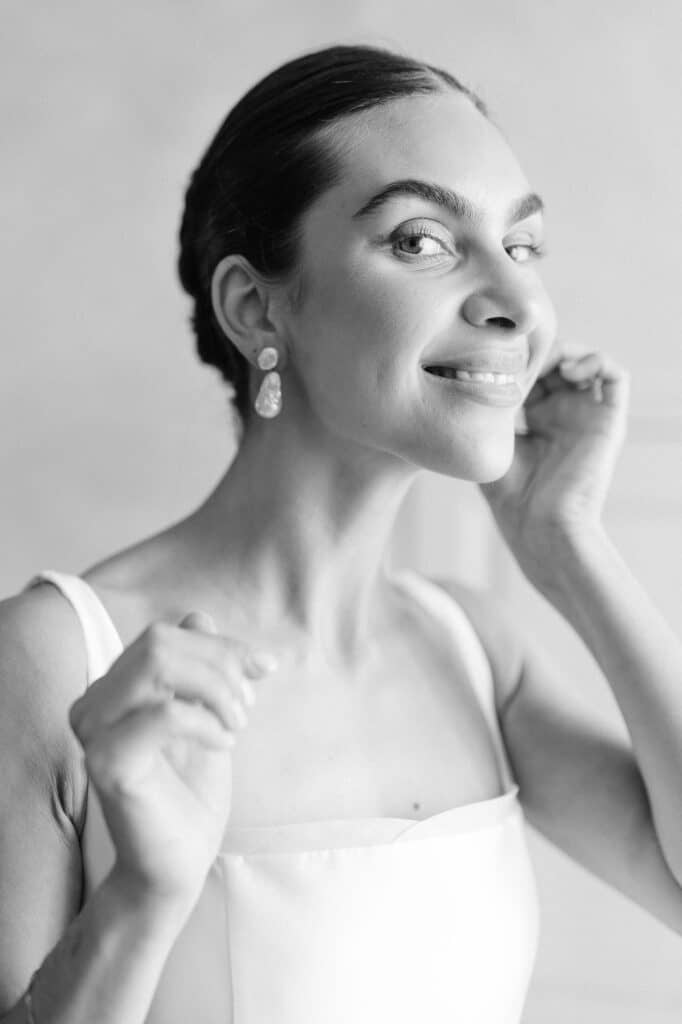
Getting Ready: What Actually Helps
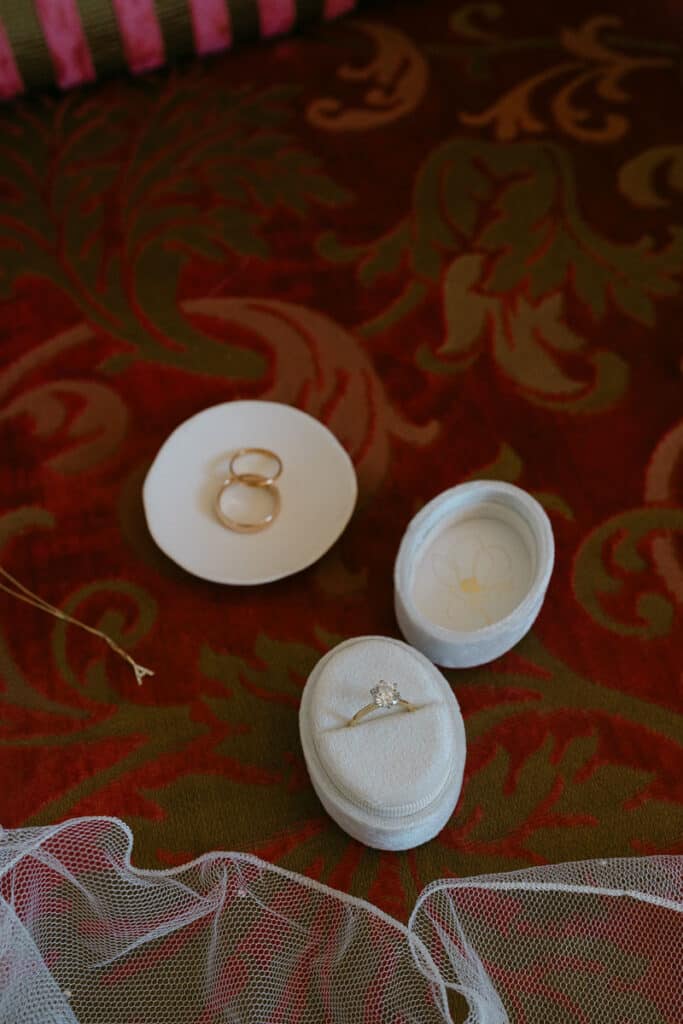
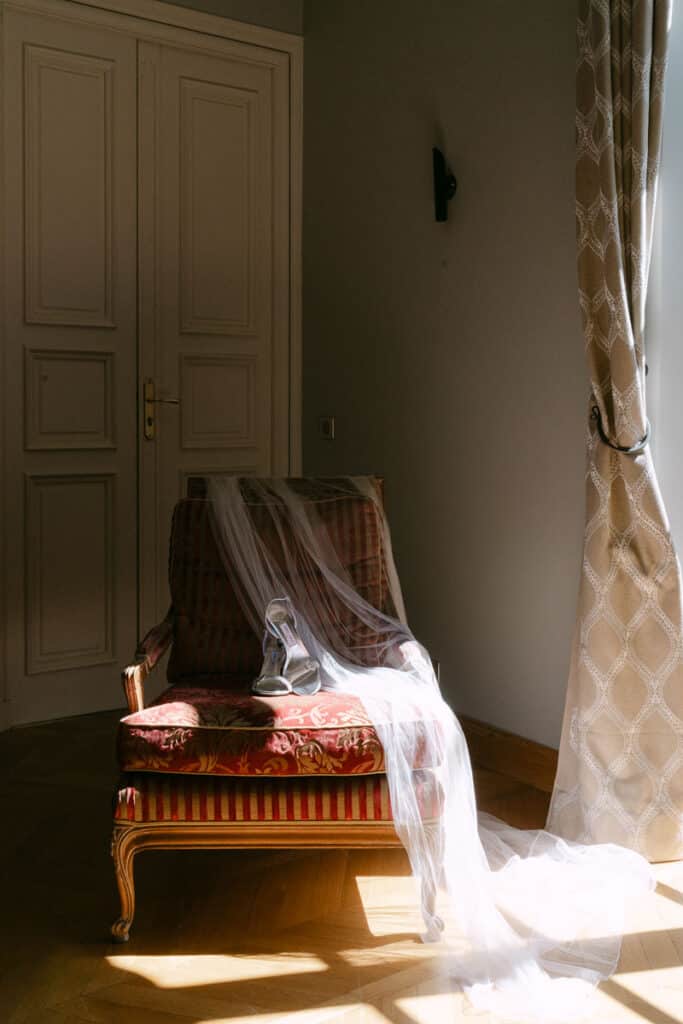
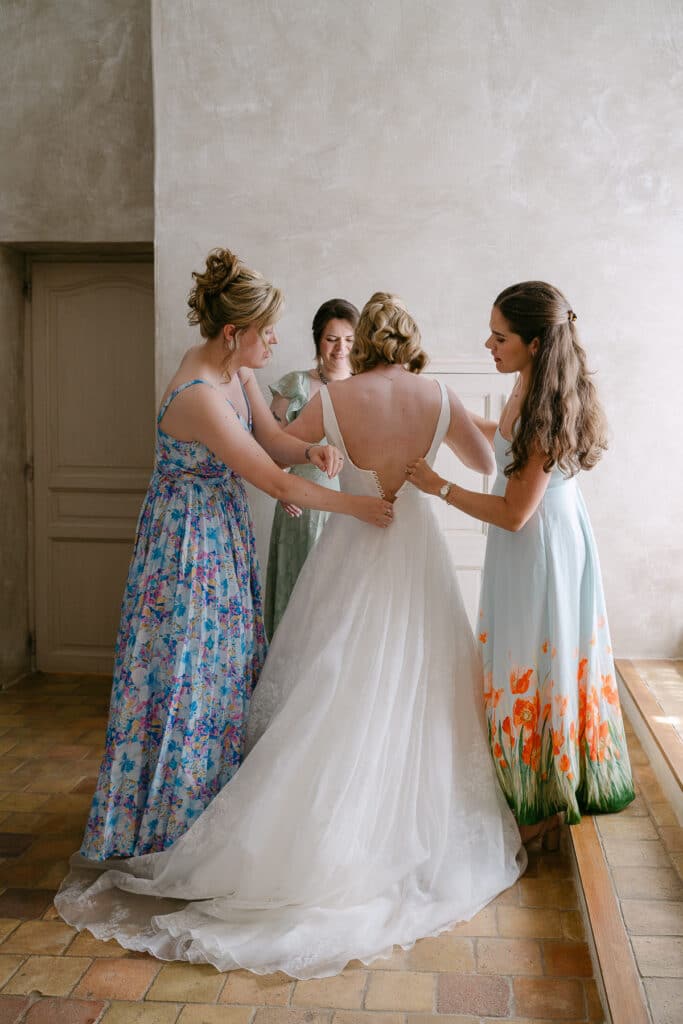
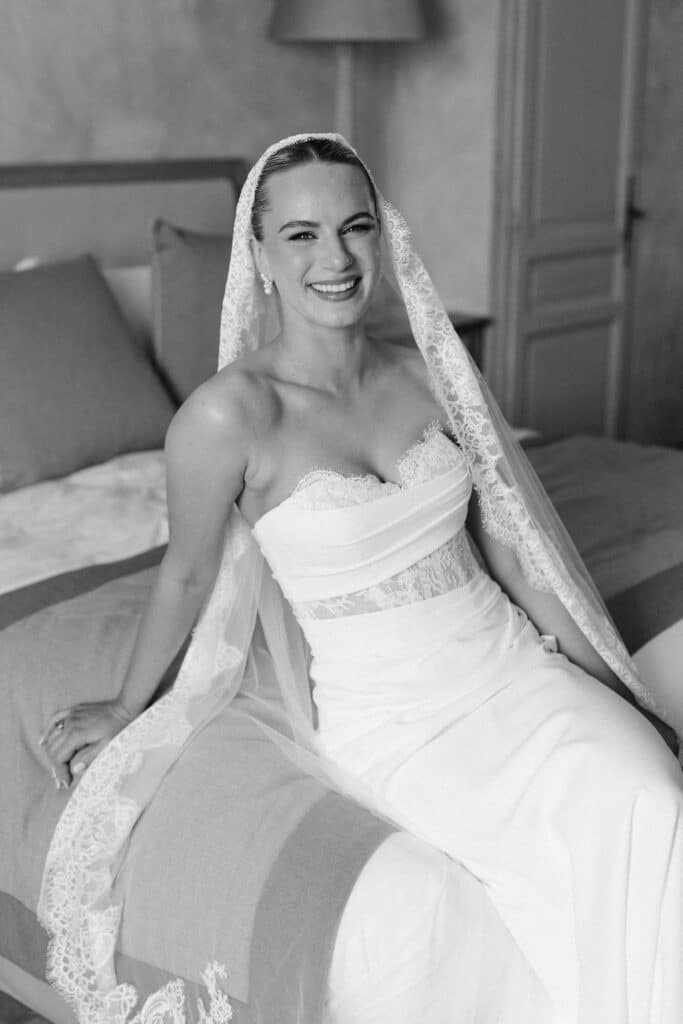
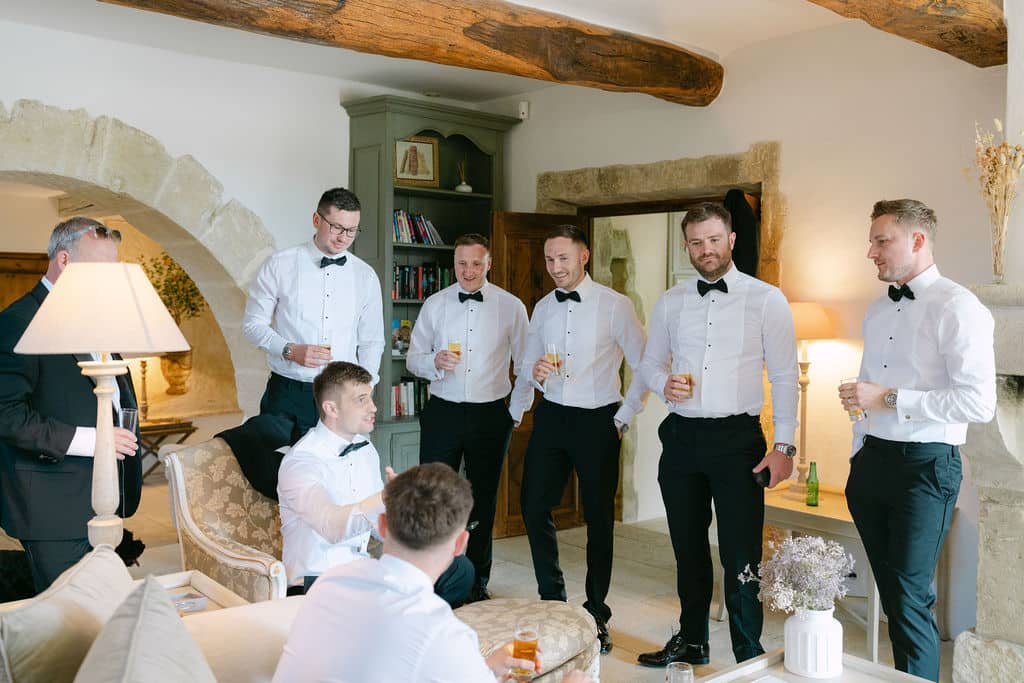
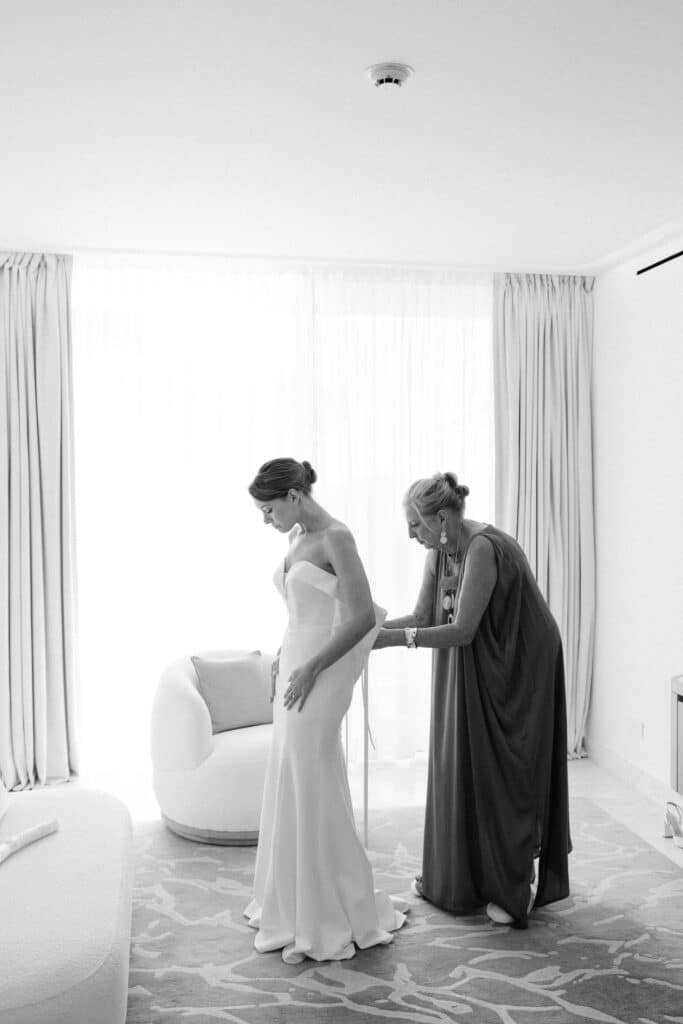
The preparation part of the day often creates some of the most emotional photographs.
A few simple things help enormously:
Keep the room tidy
No need for perfection. Just remove obvious clutter.
Stay close to natural light
Window light almost always looks beautiful.
Avoid overcrowding
Too many people in one room creates unnecessary stress.
Leave wiggle room
The morning almost always takes longer than expected.
Family Photos Without the Stress
Family portraits don’t need to feel painful.
The simplest solution is preparation.
Before the wedding:
- Create a family photo list.
- Keep it concise.
- Share it with the photographer.
The most efficient family photo sessions usually last between 10 and 20 minutes. Longer isn’t necessarily better.
Think About Guest Experience
Guest experience and photography are far more connected than people realize.
When guests are comfortable:
- They stay longer.
- They interact more.
- They laugh more.
- They become less self-conscious.
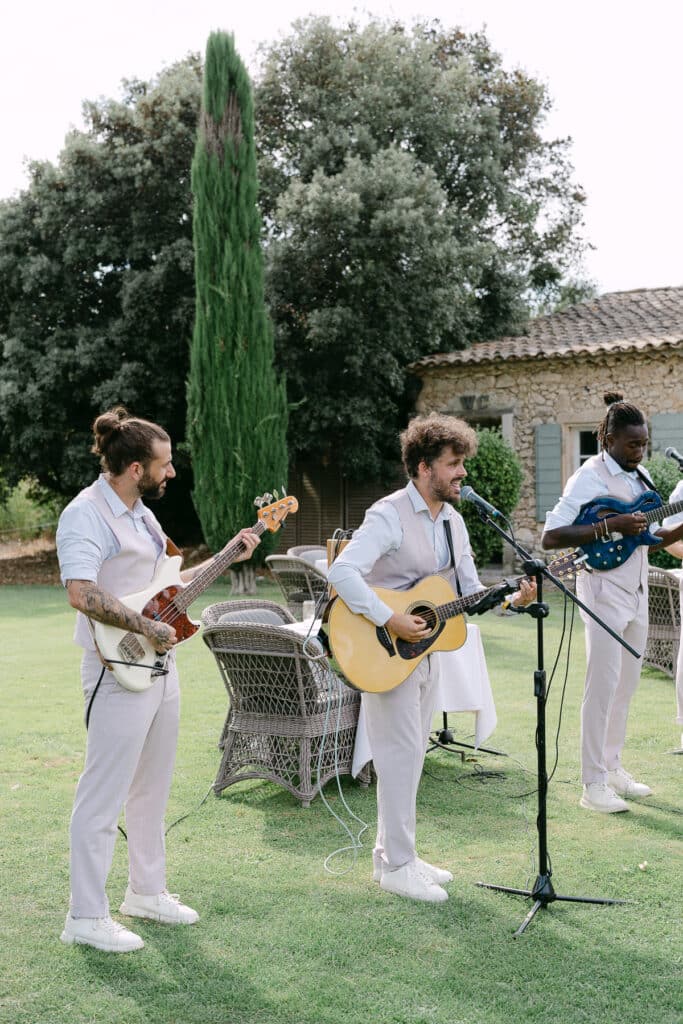
And all of that creates better images. Good food. Good drinks. Comfortable seating. Clear transportation. Reasonable schedules. These things may not seem photographic. But they absolutely affect photography.
Consider Transportation for Multi-Day Weddings
This is particularly important for destination weddings.
Guests arriving from several countries are often unfamiliar with the area. I’ve photographed wedding weekends where transportation was handled seamlessly. Nobody had to think about it. The atmosphere immediately felt calmer.
For larger destination weddings, transport coordination can make a significant difference. Guest experience specialists such as Coco Kliks from Travellur Weddings help couples organize logistics, airport transfers and multi-day transportation so everyone can focus on enjoying the celebration.
Guests rarely remember transportation when everything works perfectly. They only remember it when it doesn’t.
Why I Often Recommend a Second Photographer for Larger Weddings
When a Second Photographer Adds Real Value
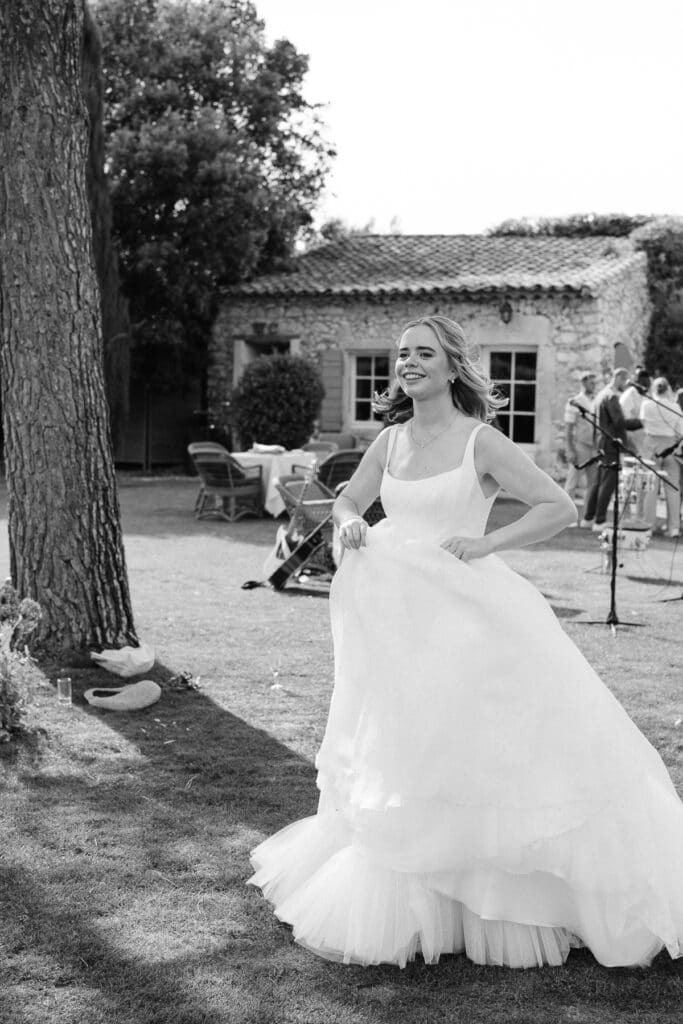
This is a conversation I have quite regularly with couples, particularly when we begin discussing the size and structure of their wedding. For smaller celebrations, I’m completely comfortable working on my own, and for intimate weddings, I often prefer it. With fewer guests, less equipment, and a quieter presence, it becomes easier to move naturally through the day and stay close to what is happening without making the photography feel intrusive.
As the guest count approaches 100 or more, however, my recommendation often changes. It isn’t because I suddenly need help managing the day, but because the wedding itself becomes more complex, with more people, more movement, and more moments unfolding at the same time.
One thing I’ve learned over the years is that weddings never happen in a single direction. While you’re exchanging vows, your father may be trying to hold back tears, your grandmother may be smiling quietly from the first row, and a friend may be reacting to something that nobody else has noticed. As a photographer, I’m constantly deciding where to be, which means that with one person documenting the day, two meaningful moments can sometimes happen beyond the frame at exactly the same time.
A second photographer allows us to tell a more complete story because we’re no longer forced to choose between those moments. I often notice the difference during the preparations, when one photographer can stay with the bride while the other documents the groom. Both stories can unfold naturally, without either one feeling rushed or overlooked.
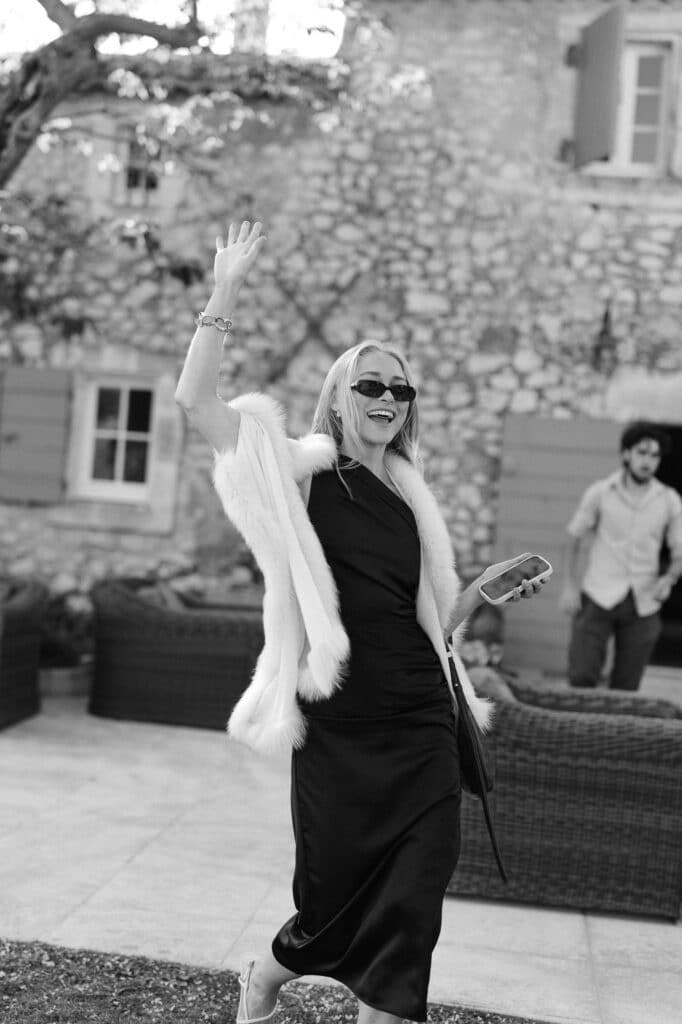
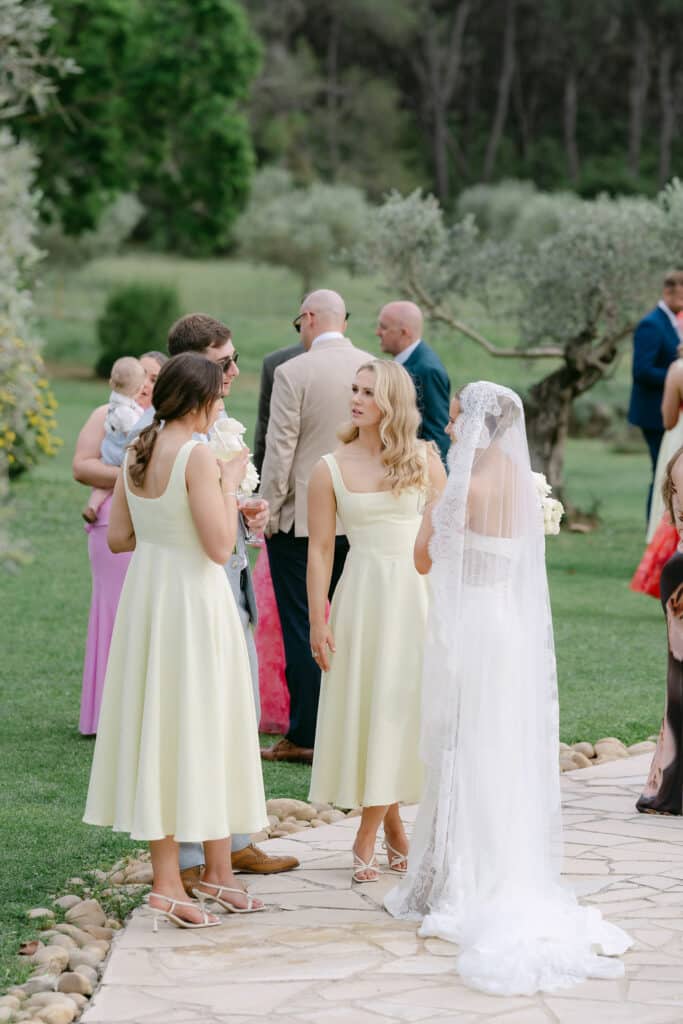
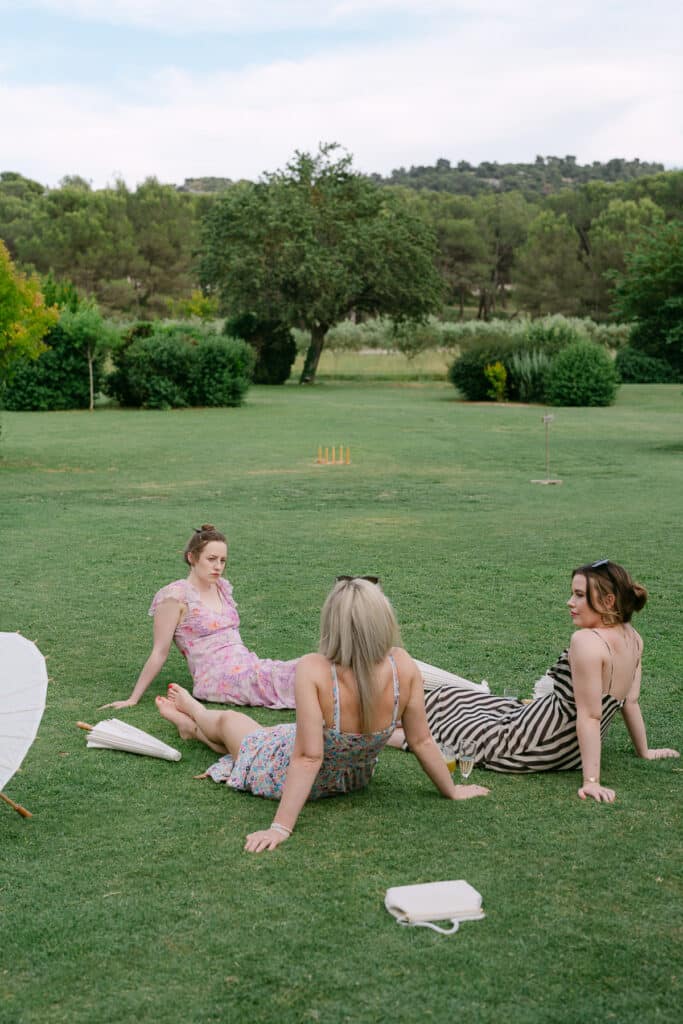
The same applies during the cocktail hour. While I’m creating a few portraits or documenting a conversation, the second photographer can move among the guests and notice the interactions taking place elsewhere. Those photographs are often quiet and unplanned, but they can become some of the most meaningful images in the gallery.
When couples receive their photographs, the value of a second photographer is rarely found in the number of extra images. It lies in the moments they didn’t even know were happening: a hug between two friends, their parents’ expressions during the ceremony, a reaction from across the room, or one of those small, passing exchanges that help the entire story feel more complete.
I don’t think every wedding needs a second photographer, and adding one should never be automatic. For larger weddings, destination celebrations, or multi-day events where many things are happening simultaneously, however, it is one of the few additions that can genuinely enhance both the coverage and the experience of receiving the final gallery.
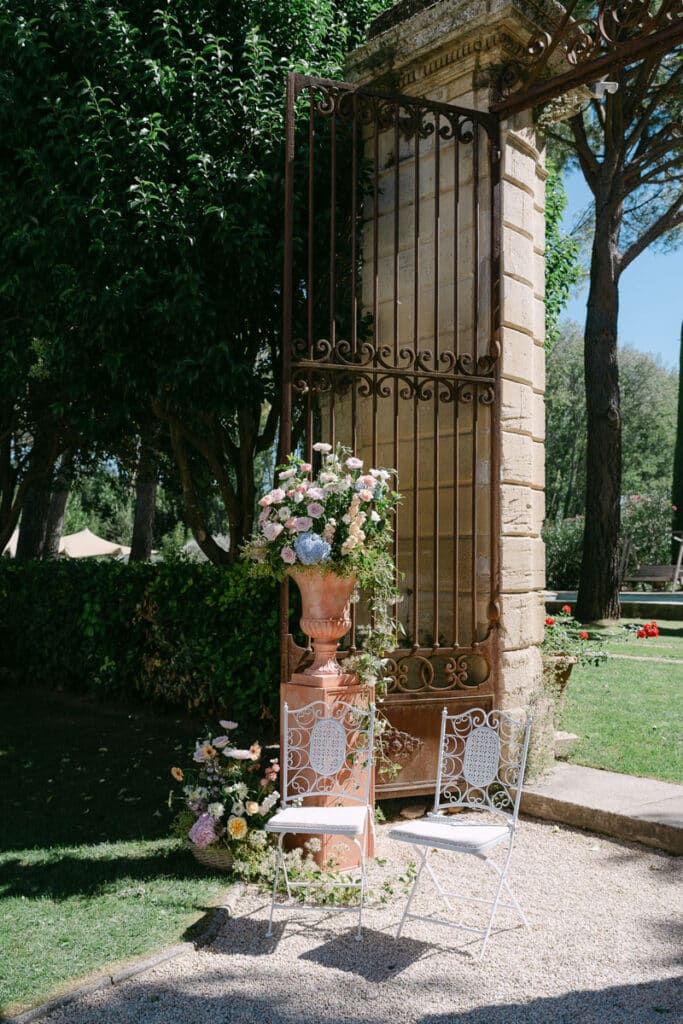
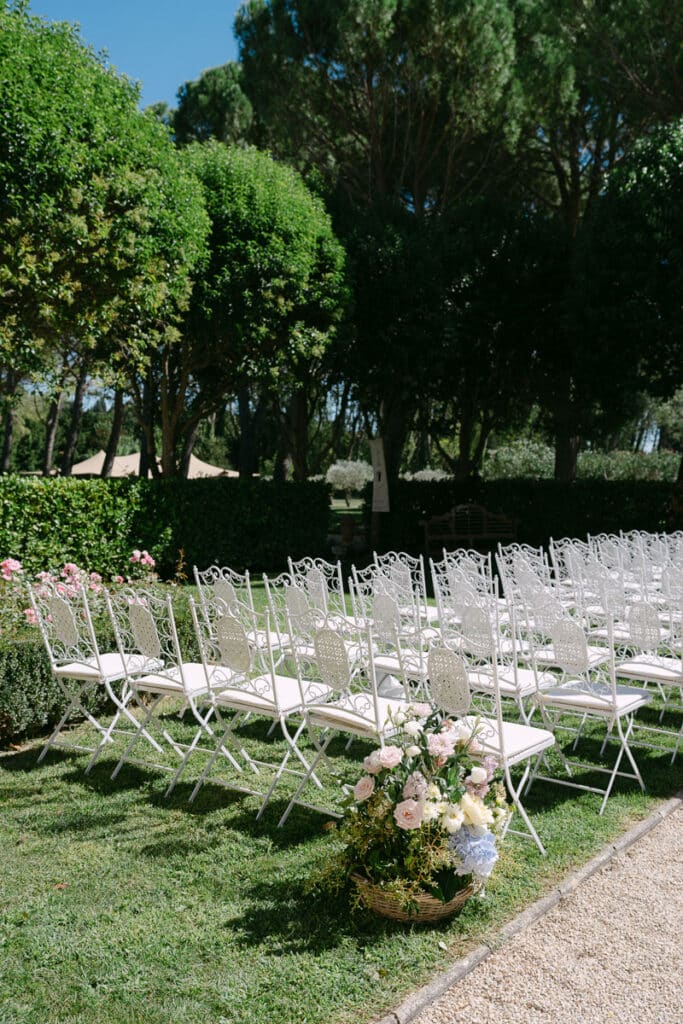
Plan Your Ceremony Around Light, Not the Clock
If there is one piece of advice I wish every couple could hear before planning their timeline, it would be this:
Don’t Choose Your Ceremony Time First. Choose Your Light.
Every year, particularly in Provence and the South of France, I photograph weddings where the ceremony takes place during the hottest part of the day. The venue is beautiful, the flowers are beautiful, and every detail has been carefully planned, yet guests end up sitting in direct sunlight, looking for shade and quietly counting the minutes until cocktail hour.
As a photographer, you can see the difference immediately. People start to squint, foreheads become shiny, and expressions tighten slightly as the heat becomes harder to ignore. Even the most beautiful setting cannot fully compensate for guests who are uncomfortable in the sun for thirty or forty minutes.
Whenever possible, I encourage couples to think carefully about the position of the sun and the season in which they are getting married. A ceremony later in the afternoon often creates a more comfortable experience and more flattering photographs, as the light becomes softer, temperatures begin to drop, and guests naturally feel more relaxed.
That said, this is not a rule that can be applied to every wedding in the same way. One mistake I occasionally see is couples trying to use a July timeline for a September or October celebration, even though the light changes considerably from one season to another.
In June, a ceremony at 6 p.m. may still take place in bright daylight, with plenty of time remaining before sunset. In September, however, daylight disappears much faster. If the ceremony is scheduled too late, you may suddenly find yourself rushing through the cocktail hour, family photographs, and couple portraits before the light fades.
This is why I always recommend building the timeline around the season and the actual sunset time, rather than choosing an arbitrary hour first. When I help couples plan their day, I’m not looking for the latest possible ceremony. I’m looking for the right balance between guest comfort, beautiful light, and enough time to enjoy the rest of the celebration without feeling rushed.
If I were planning my own wedding in Provence, I would almost certainly choose a late-afternoon ceremony. Not only for the photographs, but because I would much rather see my guests enjoying a glass of rosé in the shade before the ceremony than sitting in full sun while waiting for it to begin.
Good light improves almost everything. The ceremony feels more comfortable, guests are more relaxed, and the atmosphere becomes easier to enjoy. The photographs naturally benefit from that as well.
As a General Guideline
- May & June: ceremonies often work beautifully between 4:30pm and 6:00pm
- July & August: often between 5:30pm and 7:00pm, depending on shade and location
- September: often between 4:00pm and 5:30pm
- October: usually earlier to preserve enough daylight for portraits and cocktail hour
Every venue is different, which is why I always encourage couples to discuss the timeline with their photographer and planner before finalizing it.
Film, Digital, and the Difference Between Style and Trends
Trends change quickly. A visual style that feels fashionable today can look dated a few years from now, which is one of the reasons I’m drawn to photographs that feel honest rather than overly influenced by what happens to be popular at the time.
Good light, genuine emotion, natural color, and moments that truly matter tend to age remarkably well. They do not depend on a particular editing trend or visual formula, which allows them to remain connected to the experience itself.
Film and digital photography can both create timeless photographs. The important distinction is not necessarily the medium, but the intention behind the image and the way it reflects the people, atmosphere, and emotions of the day. Film can bring a certain softness, depth, and sense of imperfection, while digital photography offers flexibility and precision. Used thoughtfully, both can contribute to a collection of photographs that feels coherent and lasting.
What Makes Wedding Photos Timeless?
If I had to answer with one word, it would be emotion.
Not trends, poses, or locations, although each of these can have its place. What gives a photograph its lasting value is the feeling it brings back. Twenty years from now, you are likely to care far more about how an image makes you feel than about how closely it followed a Pinterest trend when it was taken.
That, to me, is what timeless wedding photography really means: photographs that remain meaningful because they bring you back to the people, atmosphere, and emotions of the day.
A Final Thought
The best wedding photographs are rarely about perfection. They are about connection, and when I look back through galleries years later, the images that stay with me are almost never the technically perfect ones. They are the photographs that feel alive: an unexpected laugh, tears that nobody anticipated, a look exchanged across a dinner table, or the simple feeling of being surrounded by people you love.
When you focus on creating a wedding experience that feels genuine, with enough space for real moments to unfold, the photographs naturally become more meaningful.
Frequently Asked Questions
How can we look natural in our wedding photos?
Focus on each other rather than the camera. The more present you are, the more natural the photographs will feel.
What is the best time of day for wedding portraits?
The last two hours before sunset generally provide the softest and most flattering light.
How much time should we allocate for couple portraits?
Usually between 15 and 30 minutes, depending on the schedule and location.
What makes a wedding gallery feel timeless?
Real emotion, natural light, honest moments and photographs that prioritize experience over trends.
Should we do a first look?
It depends entirely on your preferences. Some couples love the intimacy. Others prefer seeing each other for the first time at the ceremony.